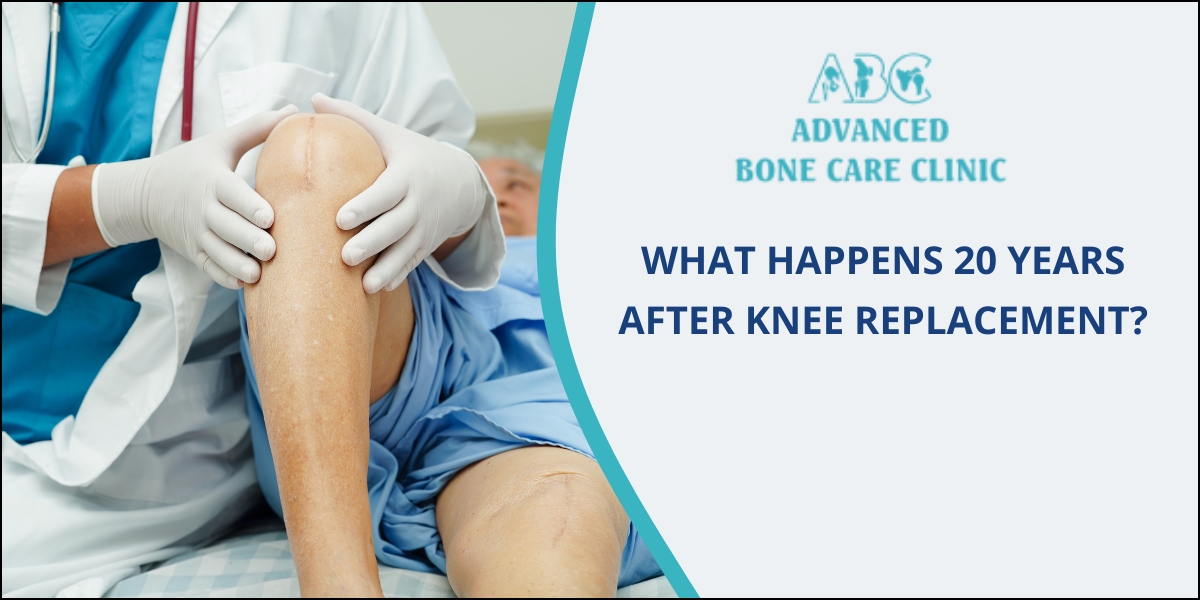
Knee replacement surgery has transformed the lives of millions of people suffering from severe knee pain caused by arthritis, injury, or age-related wear and tear. One of the most common questions patients ask before surgery is:
“What happens 20 years after knee replacement?”
The good news is that modern knee replacement implants are designed to last much longer than ever before. Thanks to advancements in surgical techniques, implant materials, and post-operative care, many patients continue to enjoy an active and pain-free lifestyle even two decades after surgery.
Let’s understand what you can expect 20 years after a knee replacement.
How Long Does a Knee Replacement Last?
Modern knee replacement implants typically last 15 to 25 years, and many continue functioning well beyond that.
Studies have shown that:
- Around 90–95% of knee replacements are still functioning well after 15 years.
- Nearly 80–85% continue performing successfully after 20 years.
- Some patients enjoy their knee replacement for 25–30 years without requiring another surgery.
The lifespan depends on factors such as:
- Patient’s age
- Body weight
- Activity level
- Implant quality
- Surgical technique
- Overall health
What Can You Expect 20 Years After Knee Replacement?
1. Continued Pain Relief
Most patients continue experiencing significant pain relief compared to their condition before surgery. Daily activities like:
- Walking
- Climbing stairs
- Shopping
- Traveling
- Household work
remain comfortable for many people.
2. Good Joint Function
If the implant remains stable, patients usually retain good knee movement. Many continue enjoying:
- Morning walks
- Light exercise
- Cycling
- Swimming
- Yoga (with modifications)
without major limitations.
3. Natural Wear and Tear
Like any mechanical joint, artificial knees also undergo gradual wear. After 20 years, the plastic spacer between the metal components may begin to wear down. This process is slow and often monitored during routine follow-up visits.
4. Possible Implant Loosening
Over time, the bond between the implant and bone may weaken. This is called implant loosening. Symptoms may include:
- New knee pain
- Swelling
- Difficulty walking
- Feeling of instability
If diagnosed early, treatment options are more effective.
5. Reduced Range of Motion
Some patients may notice mild stiffness after many years. This is usually related to:
- Aging
- Reduced physical activity
- Muscle weakness
- Scar tissue formation
Regular stretching and strengthening exercises can help maintain flexibility.
6. Need for Revision Surgery (In Some Cases)
Not every patient requires another operation. However, revision knee replacement may become necessary if there is:
- Implant wear
- Loosening
- Infection
- Bone loss
- Fracture around the implant
Revision surgery replaces some or all components of the original knee replacement. Fortunately, only a small percentage of patients require this procedure within 20 years.
Signs That You Should Consult Your Orthopaedic Surgeon
Even after decades, don’t ignore symptoms such as:
- Persistent knee pain
- Swelling
- Clicking sounds
- Instability
- Difficulty walking
- Sudden decrease in mobility
- Warmth around the joint
Early evaluation can prevent complications.
How to Make Your Knee Replacement Last Longer
Following healthy habits can significantly extend the life of your artificial knee.
Maintain a Healthy Weight
Extra body weight increases stress on the implant. Even losing a few kilograms can reduce pressure on the knee.
Stay Active
Low-impact exercises are recommended:
- Walking
- Swimming
- Cycling
- Stationary bike
- Strength training
- Physiotherapy exercises
Avoid high-impact activities like running or jumping.
Regular Follow-Up Checkups
Even if you have no symptoms, periodic X-rays help monitor implant condition. Your surgeon can detect early wear before it becomes serious.
Protect Your Joint
Use proper footwear.
Avoid falls.
Maintain good muscle strength around the knee.
Follow Medical Advice
Control conditions like:
- Diabetes
- Osteoporosis
- Obesity
These affect long-term outcomes.
Can You Live a Normal Life 20 Years After Knee Replacement?
Absolutely. Many patients continue living active, independent lives even after two decades.
They comfortably perform:
- Daily household activities
- Office work
- Domestic travel
- Religious visits
- Gardening
- Recreational walking
While high-impact sports may not be advisable, most normal activities remain possible.
When Is Revision Knee Replacement Needed?
Revision surgery is considered only when there is a clear medical indication. Common reasons include:
- Implant loosening
- Polyethylene wear
- Infection
- Instability
- Fracture
- Significant pain affecting quality of life
Modern revision surgeries have excellent success rates when performed by experienced knee replacement specialists.
A knee replacement is one of the most successful orthopaedic procedures available today. Twenty years after surgery, the majority of patients continue to experience excellent pain relief, improved mobility, and a better quality of life. Regular follow-up appointments, maintaining a healthy lifestyle, and seeking medical advice if new symptoms arise can help maximize the lifespan of your knee implant and keep you active for years to come.
About Dr. Murtaza Adeeb – Knee Replacement Surgeon in Pune
If you’re considering knee replacement surgery or experiencing issues with an existing knee implant, Dr. Murtaza Adeeb is a trusted Knee Replacement Surgeon in Pune known for providing comprehensive and patient-focused orthopaedic care. With expertise in primary and revision knee replacement procedures, sports injuries, and advanced joint preservation techniques.
Frequently Asked Questions (FAQs)
Is it normal to have pain 20 years after knee replacement?
Mild occasional discomfort can occur with aging, but persistent pain should always be evaluated by an orthopaedic surgeon.
Can a knee replacement last 30 years?
Yes. With newer implant designs and proper care, many knee replacements can function successfully for 25–30 years or longer.
Will I need another surgery after 20 years?
Not necessarily. Many patients never require revision surgery. The need depends on implant condition, activity level, and overall health.
Can I walk long distances after 20 years?
Most patients can continue walking comfortably if the implant remains stable and surrounding muscles stay strong.
What is the biggest risk after 20 years?
The most common long-term concerns are implant wear, loosening, and age-related changes rather than sudden implant failure.