
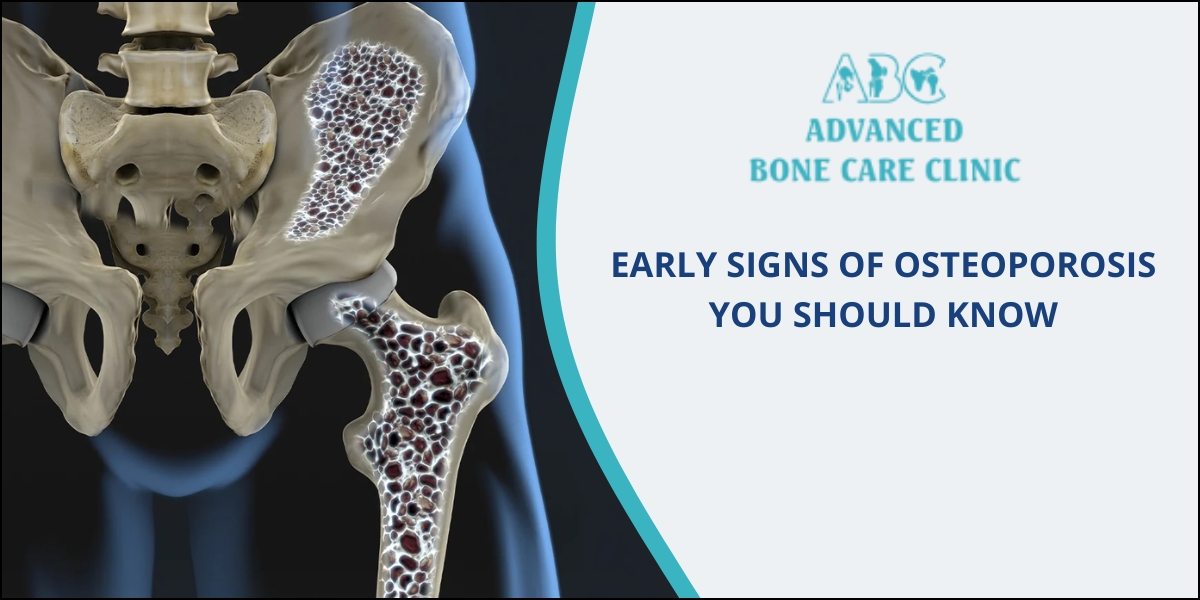
Understanding Osteoporosis
Osteoporosis is a common bone disease that causes bones to become weak, brittle, and more susceptible to fractures. Often referred to as a “silent disease,” osteoporosis develops gradually and may not show obvious symptoms until a fracture occurs. Early detection is crucial to prevent complications and maintain bone health.
What Causes Osteoporosis?
Osteoporosis occurs when the body loses too much bone mass, makes too little bone, or both. Several factors can increase the risk, including:
- Aging
- Menopause in women
- Family history of osteoporosis
- Calcium and Vitamin D deficiency
- Sedentary lifestyle
- Smoking and excessive alcohol consumption
- Long-term use of certain medications such as steroids
Early Signs of Osteoporosis You Shouldn’t Ignore
Although osteoporosis often progresses silently, there are subtle warning signs that may indicate declining bone strength.
1. Frequent Back Pain
Persistent or unexplained back pain can be an early sign of osteoporosis. Weak vertebrae may develop tiny fractures or compression fractures, leading to discomfort and reduced mobility.
2. Loss of Height
If you notice that your height has decreased over time, it could indicate compression fractures in the spine caused by weakened bones. Even a small reduction in height should not be ignored.
3. Stooped or Hunched Posture
A curved upper back, often referred to as a “dowager’s hump,” can develop when spinal bones become weak and collapse. Changes in posture are often among the earliest visible signs of osteoporosis.
4. Easily Broken Bones
Fractures resulting from minor falls, bumps, or everyday activities may indicate reduced bone density. Common fracture sites include the wrist, hip, and spine.
5. Weak Grip Strength
Studies have shown a correlation between low bone density and decreased muscle strength. Difficulty gripping objects or reduced hand strength may be a sign of overall bone weakness.
6. Receding Gums
The jawbone can also be affected by osteoporosis. Receding gums and loosening teeth may sometimes be linked to underlying bone loss in the jaw.
7. Brittle Nails
While brittle nails alone do not confirm osteoporosis, they may indicate nutritional deficiencies associated with poor bone health, especially low calcium levels.
8. Reduced Mobility and Balance
Weak bones and muscles can affect balance and coordination, increasing the risk of falls and fractures. Difficulty performing routine physical activities should be evaluated.
Who Is Most at Risk?
Certain groups have a higher risk of developing osteoporosis:
- Women over 50, especially after menopause
- Men over 65
- Individuals with a family history of osteoporosis
- People with low body weight
- Those with inadequate calcium and Vitamin D intake
- Individuals with chronic medical conditions affecting bone health
How Is Osteoporosis Diagnosed?
The most effective way to diagnose osteoporosis is through a Bone Mineral Density (BMD) test, commonly known as a DEXA scan. This painless test measures bone strength and helps identify individuals at risk for fractures before symptoms become severe.
Tips to Prevent Osteoporosis
Preventive measures can significantly reduce the risk of osteoporosis:
Eat a Bone-Healthy Diet
Consume foods rich in calcium and Vitamin D, including:
- Milk and dairy products
- Green leafy vegetables
- Fish such as salmon and sardines
- Fortified cereals and juices
Stay Physically Active
Weight-bearing and strength-training exercises help maintain bone density and improve balance.
Avoid Smoking and Excessive Alcohol
Both habits can accelerate bone loss and increase fracture risk.
Get Regular Health Checkups
Routine screenings and bone density tests can detect bone loss early and allow timely intervention.
When to See a Doctor
If you experience persistent back pain, loss of height, frequent fractures, or have multiple risk factors for osteoporosis, consult a healthcare professional. Early diagnosis and treatment can help preserve bone strength and prevent serious complications.
Osteoporosis often develops without obvious symptoms, making awareness of its early signs essential. Recognizing warning signals such as back pain, height loss, posture changes, and increased fracture risk can help ensure timely diagnosis and treatment. By adopting healthy lifestyle habits and seeking regular medical evaluations, you can protect your bones and maintain an active, independent life for years to come.
About Dr. Murtaza Adeeb
Dr. Murtaza Adeeb is a highly skilled Joint Replacement Surgeon in Pune, specializing in advanced hip and knee replacement procedures, sports injury management, and comprehensive orthopedic care. With a patient-centric approach and expertise in modern surgical techniques, Dr. Murtaza Adeeb focuses on restoring mobility, reducing pain, and improving quality of life for patients suffering from joint disorders and degenerative bone conditions. He is committed to providing personalized treatment plans, accurate diagnosis, and long-term musculoskeletal health solutions, helping patients return to their active lifestyles with confidence.