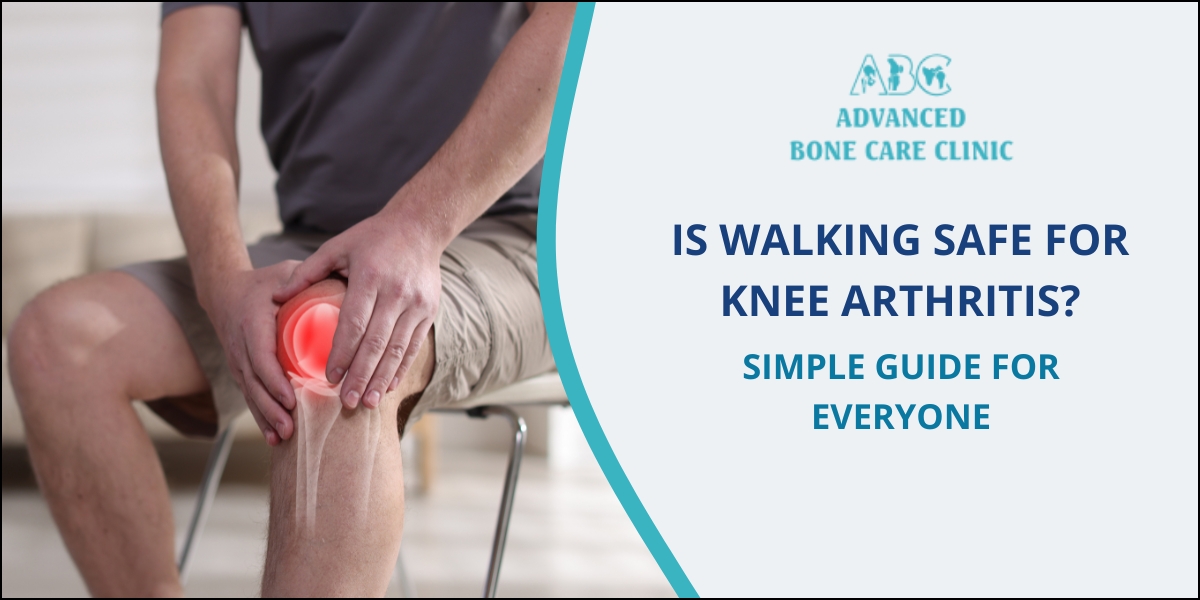
Knee arthritis is one of the most common causes of joint pain, especially among people above 40 years of age. Many patients often ask a simple but important question — “Should I walk if I have knee arthritis?” The answer might surprise you: Yes, walking is usually good for arthritis knee pain — when done correctly. Let’s understand how walking helps, when to avoid it, and the safest way to stay active.
What is Knee Arthritis?
Knee arthritis happens when the protective cartilage in the knee joint gradually wears down. This leads to:
- Knee pain
- Stiffness
- Swelling
- Difficulty walking or climbing stairs
- Reduced mobility
The most common type is osteoarthritis, which develops due to aging, excess weight, injury, or joint overuse.
Is Walking Safe for Knee Arthritis?
Many people believe resting the knee completely will reduce pain. However, too much rest can actually make arthritis worse.
Walking is considered one of the best low-impact exercises for knee arthritis because it:
- Keeps joints flexible
- Strengthens muscles around the knee
- Improves blood circulation
- Reduces stiffness
- Helps maintain healthy body weight
Regular walking can reduce pain over time and improve overall joint function.
Benefits of Walking for Arthritis Knee Pain
1. Strengthens Supporting Muscles
Walking activates thigh and calf muscles that support the knee joint. Strong muscles reduce pressure on arthritic knees.
2. Improves Joint Lubrication
Movement helps produce natural joint fluid, which works like lubrication and decreases stiffness.
3. Helps in Weight Management
Every extra kilogram of body weight puts additional stress on knees. Walking helps control weight and reduces joint load.
4. Boosts Mental Health
Chronic pain often affects mood. Walking releases endorphins, improving mental well-being and energy levels.
How Much Walking is Ideal?
Start slowly and increase gradually.
Recommended guideline:
- Begin with 5–10 minutes daily
- Slowly increase to 20–30 minutes
- Walk on flat surfaces
- Maintain a comfortable pace
Consistency matters more than speed.
Tips for Walking Safely with Knee Arthritis
- Wear cushioned and supportive footwear
- Walk on even surfaces or parks
- Warm up before walking
- Maintain good posture
- Use a knee brace if advised by your doctor
- Stop if sharp or severe pain occurs
Remember: Mild discomfort is normal, but severe pain is not.
When Walking May Not Be Enough
In advanced arthritis, walking alone may not relieve symptoms. You should consult a knee specialist if you experience:
- Persistent swelling
- Severe knee pain
- Difficulty standing or walking
- Knee deformity
- Pain disturbing sleep
Early treatment can delay joint damage and improve quality of life.
Other Exercises Helpful for Knee Arthritis
Along with walking, doctors may recommend:
- Cycling
- Swimming
- Physiotherapy exercises
- Stretching routines
- Strength training under supervision
A personalized exercise plan works best.
Lifestyle Tips to Reduce Knee Arthritis Pain
- Maintain healthy body weight
- Avoid prolonged sitting
- Use proper sitting posture
- Follow anti-inflammatory diet
- Take prescribed medication regularly
- Attend physiotherapy sessions
Small lifestyle changes can make a big difference.
Expert Care for Knee Arthritis Treatment in Pune
If knee pain continues despite exercise and medications, expert evaluation becomes essential. Dr. Murtaza Adeeb, a renowned Knee Replacement Doctor in Pune, specializes in advanced diagnosis and treatment of knee arthritis.
Dr. Murtaza Adeeb offers comprehensive care including non-surgical arthritis management, joint preservation treatments, minimally invasive procedures, and modern knee replacement surgery for severe joint damage. If walking has become painful or daily activities feel difficult, consulting an experienced knee specialist can help you choose the right treatment at the right time.
Conclusion
So, is walking good for arthritis knee pain? Absolutely — walking is one of the safest and most effective ways to manage knee arthritis when done properly. Stay active, listen to your body, and seek medical advice when needed. Regular movement today can protect your knees for tomorrow.