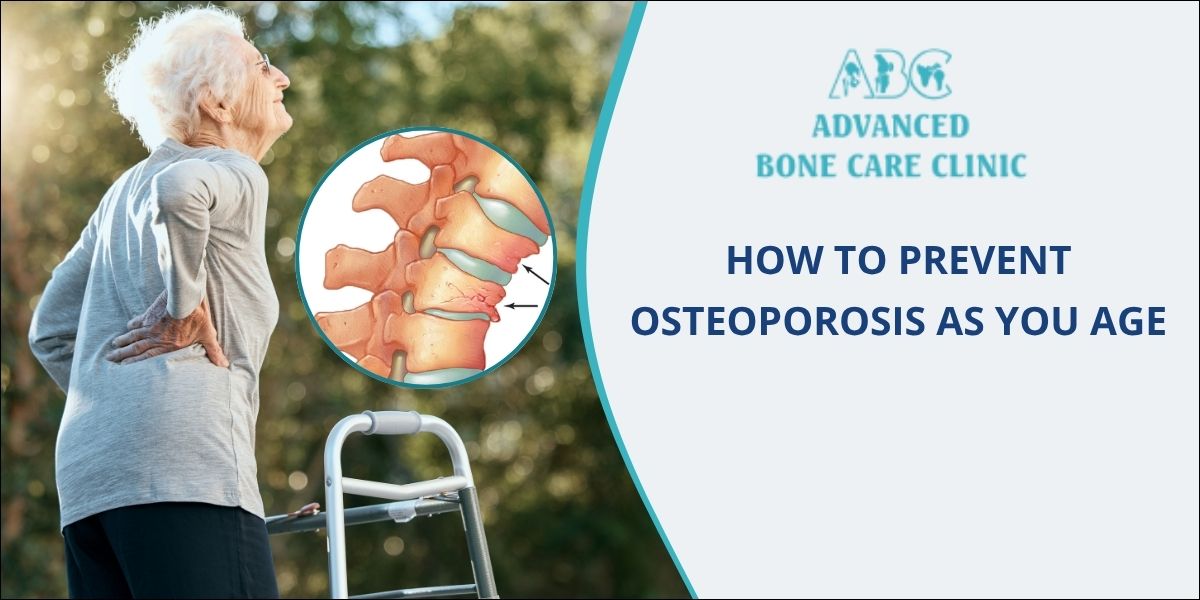
As we grow older, taking care of our bones becomes just as important as looking after our heart, muscles, and overall health. Osteoporosis is a common bone condition in which bones become weak, thin, and more likely to break. It can develop silently, often without noticeable symptoms until a fracture occurs.
The good news is that many lifestyle habits can help maintain bone strength and reduce the risk of osteoporosis. Whether you are in your 40s, 50s, 60s, or beyond, it is never too early or too late to start protecting your bones.
What Is Osteoporosis?
Osteoporosis means that bone density and bone quality have decreased. Healthy bones are strong but constantly undergo a natural process of breakdown and rebuilding. With age, bone loss can become faster than bone formation.
Women after menopause and older adults are particularly vulnerable, but osteoporosis can affect men as well. A family history of osteoporosis, low body weight, smoking, excessive alcohol consumption, certain medications, and some medical conditions can also increase the risk.
1. Get Enough Calcium
Calcium is one of the most important nutrients for maintaining strong bones. As you age, getting enough calcium through your diet becomes increasingly important.
Good sources include:
- Milk, yogurt, and cheese
- Ragi and other calcium-rich grains
- Green leafy vegetables
- Sesame seeds
- Almonds
- Calcium-fortified foods
It is generally better to obtain nutrients from a balanced diet whenever possible. If you are considering calcium supplements, discuss the appropriate amount with your doctor rather than taking them on your own.
2. Don’t Ignore Vitamin D
Vitamin D helps the body absorb calcium effectively. Low vitamin D levels may contribute to poor bone health.
Safe exposure to sunlight can help your body produce vitamin D. Dietary sources and supplements may also be recommended when needed. If you have concerns about vitamin D deficiency, your doctor can advise whether testing is appropriate.
3. Exercise Regularly
Regular physical activity is one of the best ways to support healthy bones and muscles as you age. Weight-bearing and resistance exercises can help maintain bone strength while also improving muscle strength and balance.
Consider activities such as:
- Walking
- Climbing stairs
- Strength training
- Dancing
- Yoga and balance exercises
Start gradually if you have not exercised for a long time. People with joint problems, previous fractures, or other health concerns should seek professional advice before beginning a new exercise routine.
4. Maintain a Healthy Weight
Being significantly underweight can increase the risk of bone loss and fractures. On the other hand, maintaining a healthy weight supports overall musculoskeletal health.
Focus on a nutritious diet containing adequate protein, fruits, vegetables, whole grains, and healthy fats. Crash diets and extreme calorie restriction may deprive your body of nutrients required for healthy bones.
5. Avoid Smoking and Limit Alcohol
Smoking can negatively affect bone health and may increase the risk of fractures. Excessive alcohol consumption can also interfere with bone health and increase the likelihood of falls.
If you smoke, quitting is an important step toward protecting your bones and improving your overall health.
6. Prevent Falls at Home
Strong bones are important, but preventing falls is equally important as you get older. Falls can cause serious fractures, particularly when bones have already become weak.
Keep floors free from clutter, use adequate lighting, install handrails where necessary, and wear supportive footwear. Improving leg strength and balance through appropriate exercises can also reduce fall risk.
7. Know Your Risk Factors
Some people have a higher risk of osteoporosis and may benefit from bone health evaluation. Risk can increase with age, family history, menopause, previous fractures, prolonged use of certain medicines such as corticosteroids, low body weight, and certain medical conditions.
If you have risk factors, speak with your doctor about whether a bone mineral density (BMD) test is appropriate. Early identification of low bone density allows preventive measures to be considered before a serious fracture occurs.
8. Don’t Ignore Persistent Bone or Back Problems
Osteoporosis itself may not cause pain in its early stages. However, sudden back pain, loss of height, or a change in posture can sometimes be associated with vertebral fractures.
Similarly, a fracture after a minor fall or injury should not simply be dismissed as a normal part of aging. It may be a reason to evaluate bone health.
Protect Your Bones Before a Fracture Happens
Preventing osteoporosis is not about following one particular diet or exercise. It is about building consistent habits—eating a nutrient-rich diet, getting adequate calcium and vitamin D, exercising regularly, avoiding smoking, limiting alcohol, maintaining a healthy weight, and reducing fall risks.
Most importantly, bone health should be treated as part of healthy aging rather than something to think about only after a fracture. If you are at increased risk, discussing your bone health with a healthcare professional can help you choose appropriate screening and preventive measures.
Consult Dr. Murtaza Adeeb – Joint Replacement Surgeon in Pune
If osteoporosis or age-related bone weakness is affecting your mobility and joint health, Dr. Murtaza Adeeb – Joint Replacement Surgeon in Pune can provide expert evaluation and guidance for various joint and orthopedic concerns. With extensive experience in joint replacement care, Dr. Adeeb focuses on helping patients manage pain, improve mobility, and make informed decisions about their orthopedic treatment.
Frequently Asked Questions
1. Can osteoporosis be prevented completely?
Not always, but healthy lifestyle habits can significantly reduce the risk and help maintain bone strength.
2. Is walking good for preventing osteoporosis?
Yes. Walking is a weight-bearing activity that can support bone and muscle health.
3. Does vitamin D help strengthen bones?
Yes. Vitamin D helps the body absorb calcium, which is essential for maintaining healthy bones.
4. At what age should I worry about osteoporosis?
Bone loss can begin earlier in adulthood, but the risk generally increases with age, particularly after menopause in women.
5. Can osteoporosis cause fractures?
Yes. Weak bones can fracture more easily, sometimes following a minor fall or injury.