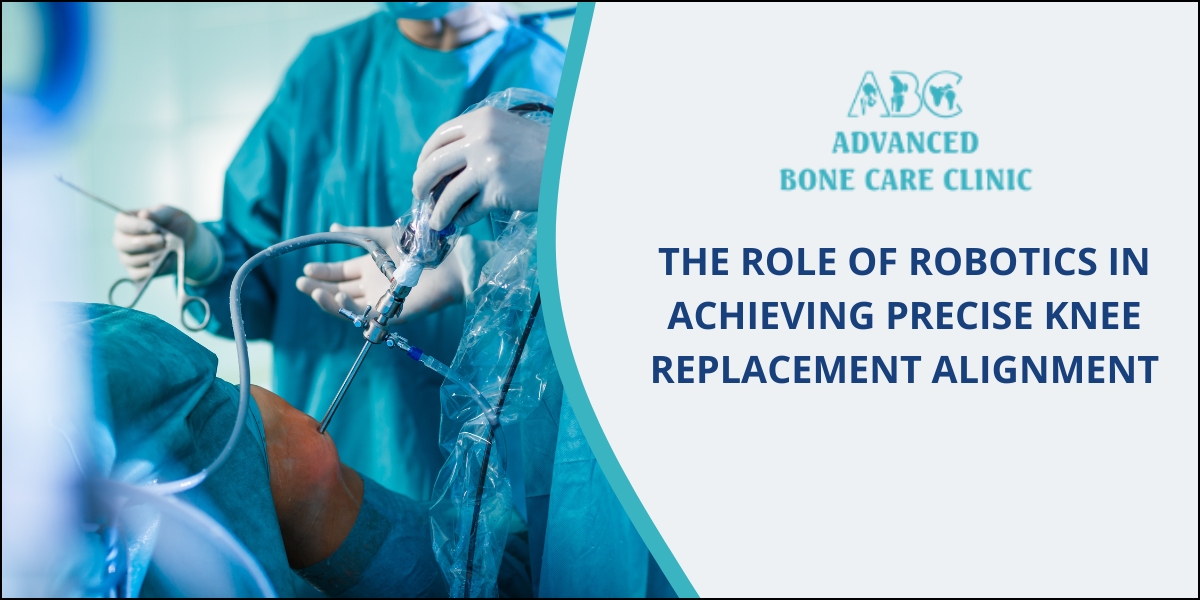
For decades, knee replacement surgery has been a life-changing procedure for those suffering from severe arthritis or injury. However, the quest for perfect alignment—the precise positioning of implants that dictates longevity, function, and comfort—has always been a surgical art. Today, that art is being perfected by science through robotic-assisted surgery. This technology is revolutionizing the field, offering a new standard of accuracy that benefits patients for years to come.
The Critical Importance of Alignment
Alignment in knee replacement isn’t just about straightening a limb. It’s about balancing the soft tissues, ensuring the joint moves naturally, and distributing weight evenly across the implant. Even a few millimeters or degrees of misalignment can lead to uneven wear, instability, persistent pain, and ultimately, a prematurely failed implant requiring complex revision surgery. Traditional techniques, while effective, rely heavily on the surgeon’s experience and manual instruments, leaving a margin for human error in a procedure demanding microscopic precision.
Enter the Robotic Surgical Assistant
Robotic-assisted knee replacement is not about a robot operating autonomously. Think of it as a high-precision GPS and guidance system for the surgeon. The process typically involves three key stages:
-
Advanced 3D Planning: Before surgery, a CT scan of the patient’s knee is used to create a unique 3D virtual model. The surgeon then uses this model to pre-plan the ideal size, positioning, and alignment of the implant specific to that patient’s anatomy.
-
Real-Time Intelligence: During surgery, the system provides real-time data and feedback. It maps the knee’s exact anatomy and tracks the position of surgical instruments.
-
Guided Precision: The robotic arm, controlled entirely by the surgeon, assists in preparing the bone with exceptional accuracy. It can create boundaries (haptic feedback) that prevent the surgeon from removing bone outside the pre-planned zone, ensuring the implant fits perfectly as designed.
The Tangible Benefits of Robotic Precision
This marriage of human skill and robotic accuracy translates into direct patient advantages:
-
Personalized Implant Fit: The surgery is tailored to your unique bone structure, not a “one-size-fits-most” approach.
-
Optimal Soft-Tissue Balance: Enhanced alignment helps preserve healthy tissue and ligaments, leading to a more natural-feeling knee.
-
Faster Recovery: With less trauma to surrounding tissues, patients often experience less post-operative pain and a quicker return to mobility.
-
Improved Longevity: Perfect alignment reduces uneven stress on the implant, which is a key factor in ensuring it lasts for many years, potentially decades.
Ultimately, robotic assistance in knee replacement surgery represents a significant leap toward consistently reproducible perfection, transforming a highly skilled manual procedure into a data-driven personalization tool that maximizes surgical outcomes and patient satisfaction for the long term.
Consult Dr. Murtaza Adeeb – Top Robotic Knee Replacement Surgeon in Pune
Seeking the benefits of this advanced technology, Dr. Murtaza Adeeb stands as a leading expert in robotic knee replacement surgery. With extensive training and a commitment to adopting the latest surgical innovations.
FAQs on Robotic Knee Replacement
1. Is robotic knee replacement surgery safer?
Yes, the enhanced precision and real-time feedback can improve safety by allowing for more accurate bone cuts and better protection of surrounding healthy tissues.
2. How long does robotic knee surgery take?
The surgery itself typically takes about 1-2 hours, similar to traditional surgery, as the robotic planning is done beforehand and the system streamlines the procedure.
3. What is the success rate of robotic knee replacement?
Early and mid-term studies show very high success rates, with patients reporting improved alignment accuracy, better functional scores, and high satisfaction compared to conventional methods.
4. Who is a good candidate for robotic knee replacement?
Most patients who need a total or partial knee replacement are candidates. A thorough evaluation by a trained robotic surgeon is needed to determine if it’s the right option for your specific condition.
5. Is robotic surgery covered by insurance?
In most cases, yes. The robotic system is a tool used to perform the knee replacement, which is a covered procedure. It’s always best to confirm with your insurance provider and surgeon’s office.