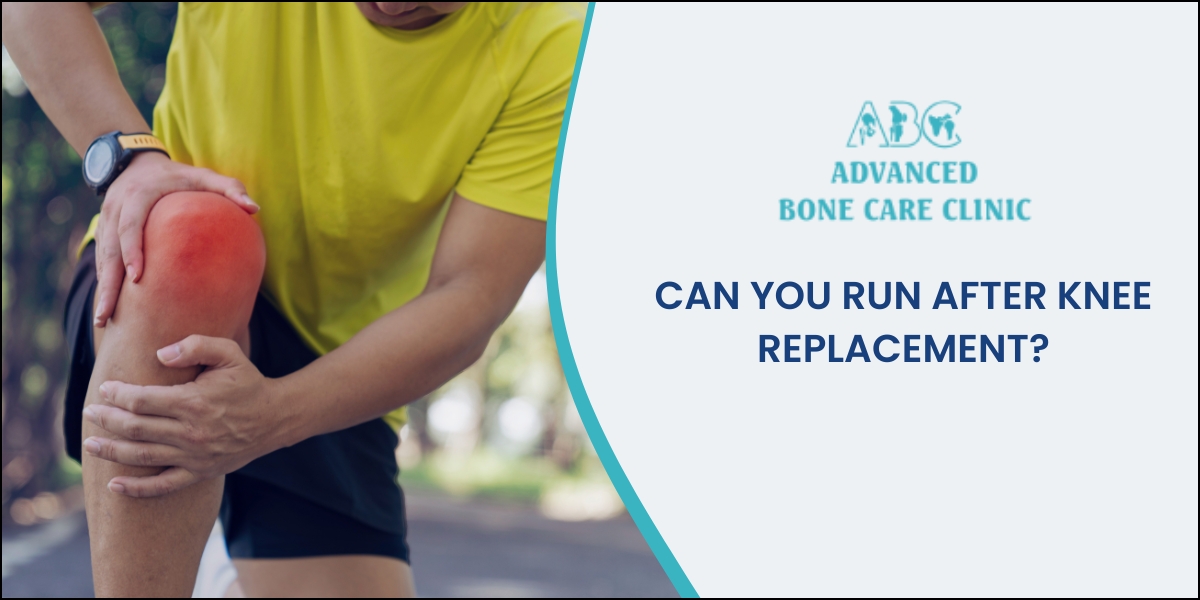
For active individuals facing knee replacement surgery, one burning question often overshadows all others: “Will I ever be able to run again?” It’s a concern rooted in a love for movement, freedom, and an active lifestyle. The answer isn’t a simple yes or no, but a nuanced guide to reclaiming your mobility while protecting your new joint.
The primary goal of a total knee replacement (TKR) is to eliminate chronic pain and restore function for daily activities—walking, climbing stairs, and living without discomfort. Modern implants are incredibly durable, designed to last for decades, but they are not indestructible. High-impact activities like running generate forces equal to several times your body weight with each stride, which can accelerate wear on the prosthetic components.
This doesn’t automatically mean running is forbidden. Many surgeons adopt a cautious, personalized approach. For lighter, occasional jogging on soft surfaces, some patients may be cleared after thorough healing, typically around the 6-12 month mark, provided they have excellent strength, balance, and surgical outcomes. However, long-distance running, marathon training, or regular high-impact sports are generally discouraged to prioritize the long-term survival of the implant.
The key is shifting your focus to sustainable, joint-friendly fitness. Post-recovery, the world of low-impact activities opens up beautifully. Power walking, cycling, swimming, elliptical training, and strength conditioning can provide exceptional cardiovascular and muscular benefits without compromising your new knee. These activities become the cornerstone of a lifelong, active, and pain-free life.
Ultimately, the decision to run should be made in close consultation with your orthopedic surgeon and physical therapist. They will assess your specific case—the type of implant, your biomechanics, and overall health—to provide a tailored recommendation. While running might take a back seat for some, the trade-off is profound: exchanging pre-surgery pain for the ability to move freely, embrace adventure, and enjoy an active life on your own terms.
Dr. Murtaza Adeeb – Knee Replacement Doctor in Pune
Seeking expert guidance on life after knee surgery, Dr. Murtaza Adeeb stands out as a leading knee replacement surgeon in Pune. Dr. Murtaza Adeeb specializes in advanced joint replacement techniques and believes in transparent, detailed pre-and post-surgical counseling.
FAQs on Running After Knee Replacement
1. Is running completely banned after knee replacement?
No, it’s not an absolute ban, but it is strongly discouraged for regular, long-distance running to protect the implant from premature wear.
2. How long after surgery can I try jogging?
If cleared by your surgeon, some patients may carefully try light jogging on soft surfaces after 6-12 months of full recovery and strength training.
3. What are the risks of running with a knee replacement?
The main risks include increased wear on the plastic spacer, potential loosening of the implant components, and a higher chance of needing revision surgery sooner.
4. What sports are safe after knee replacement?
Excellent low-impact options include walking, swimming, cycling, golf, doubles tennis, and using elliptical or rowing machines.
5. Can I run a marathon with a knee replacement?
Training for and running a full marathon is generally not advised by surgeons due to the extreme, repetitive high-impact forces involved.